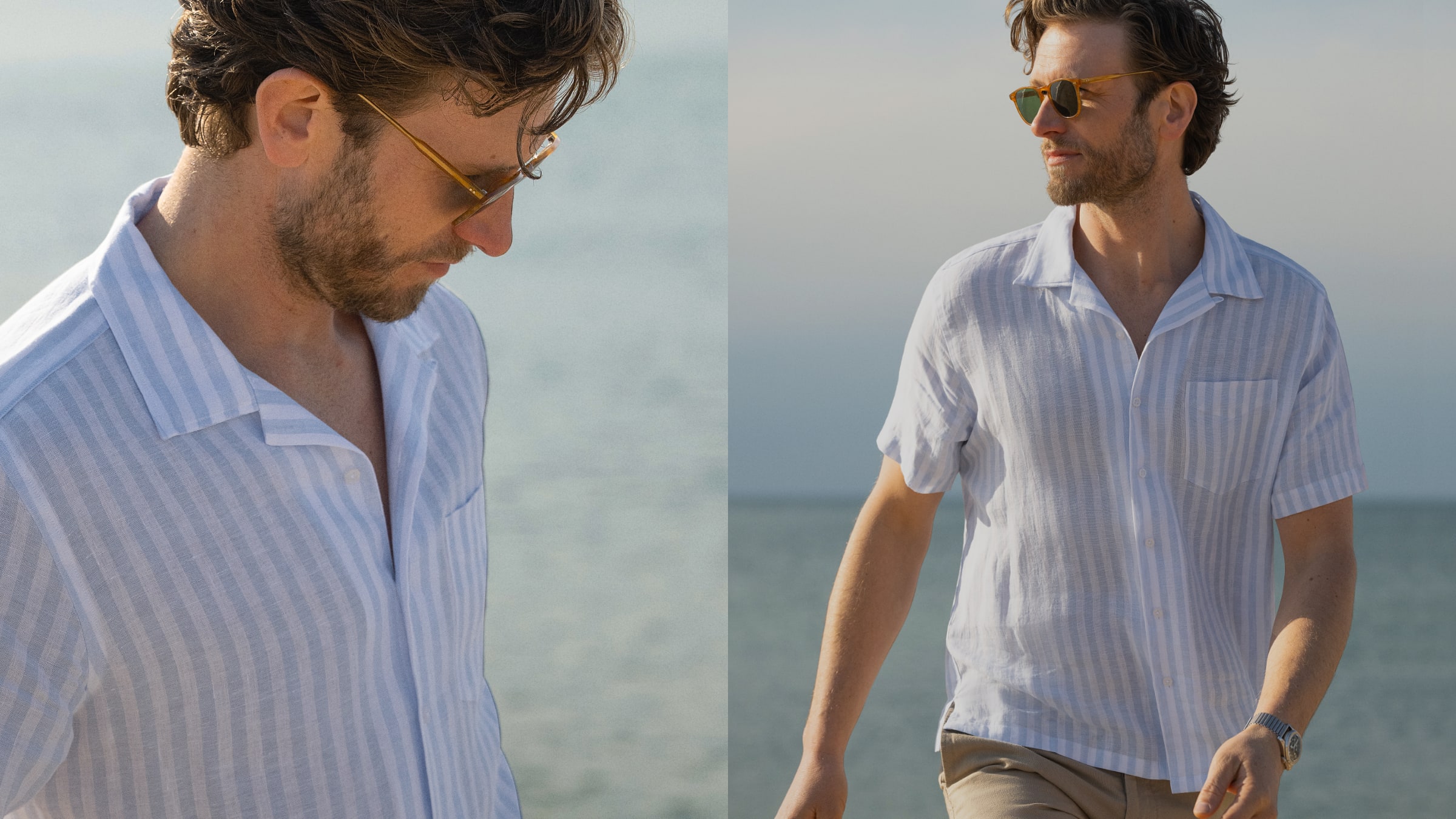
Linen Season
Explore NowRecent Launches

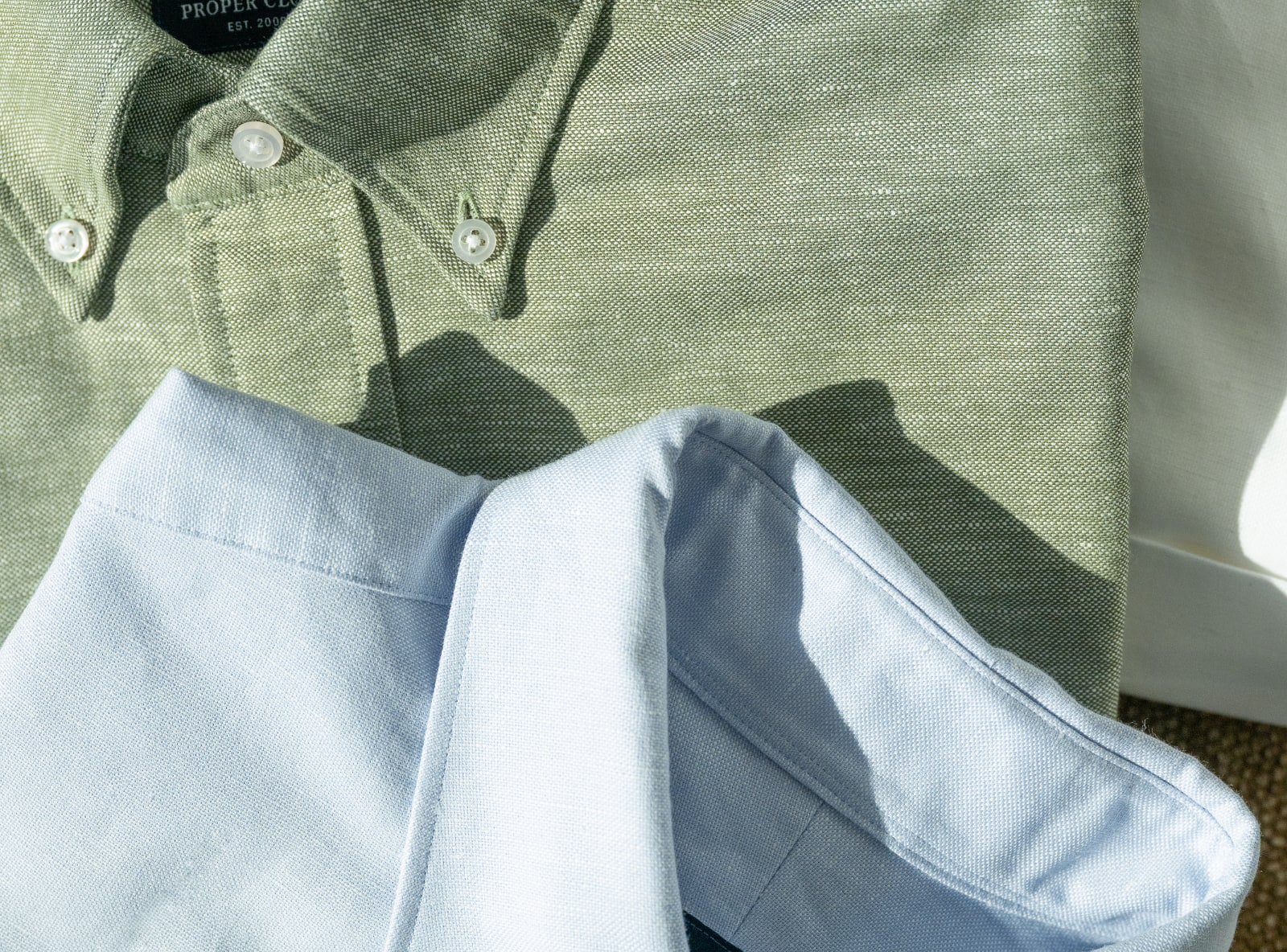

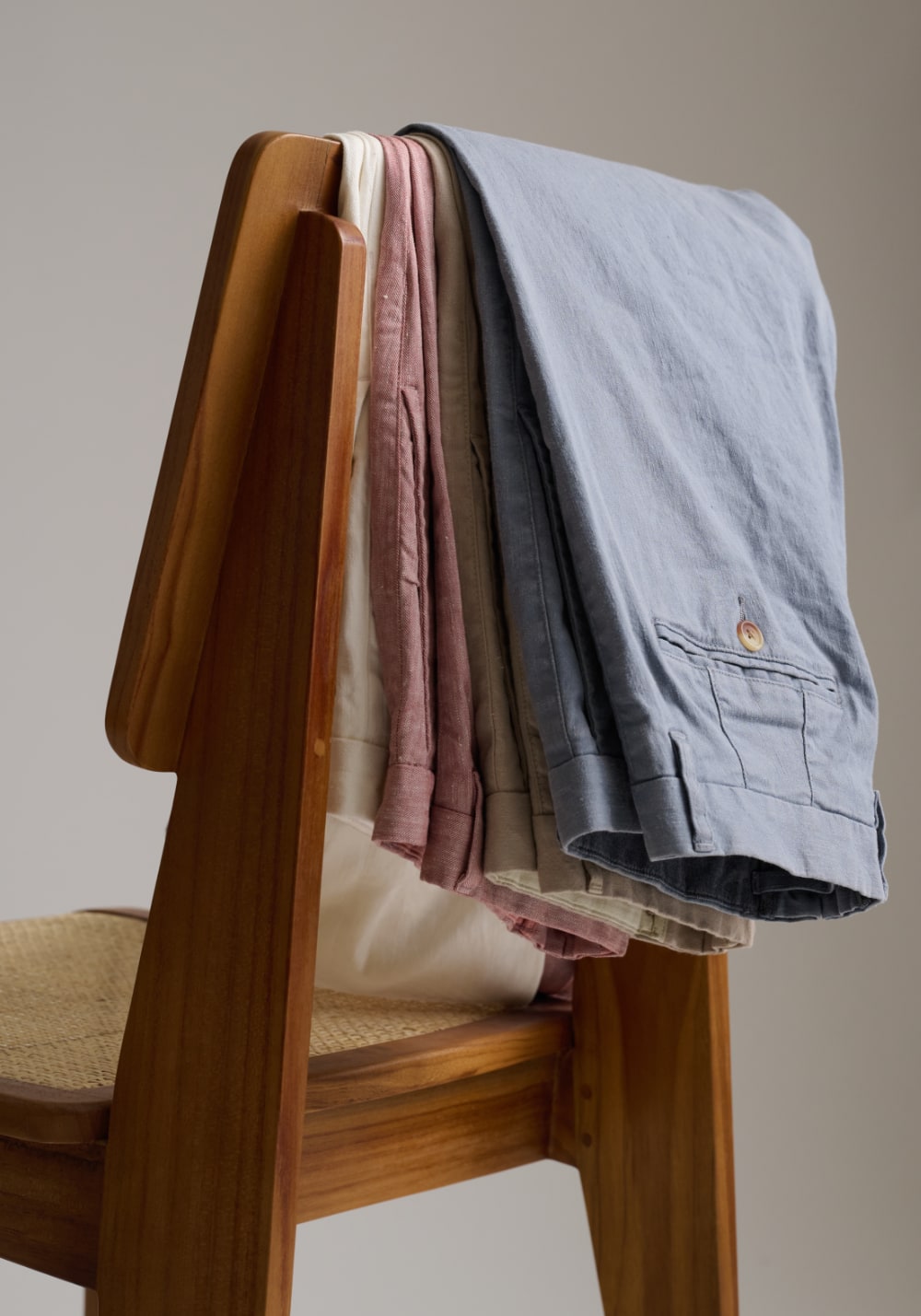
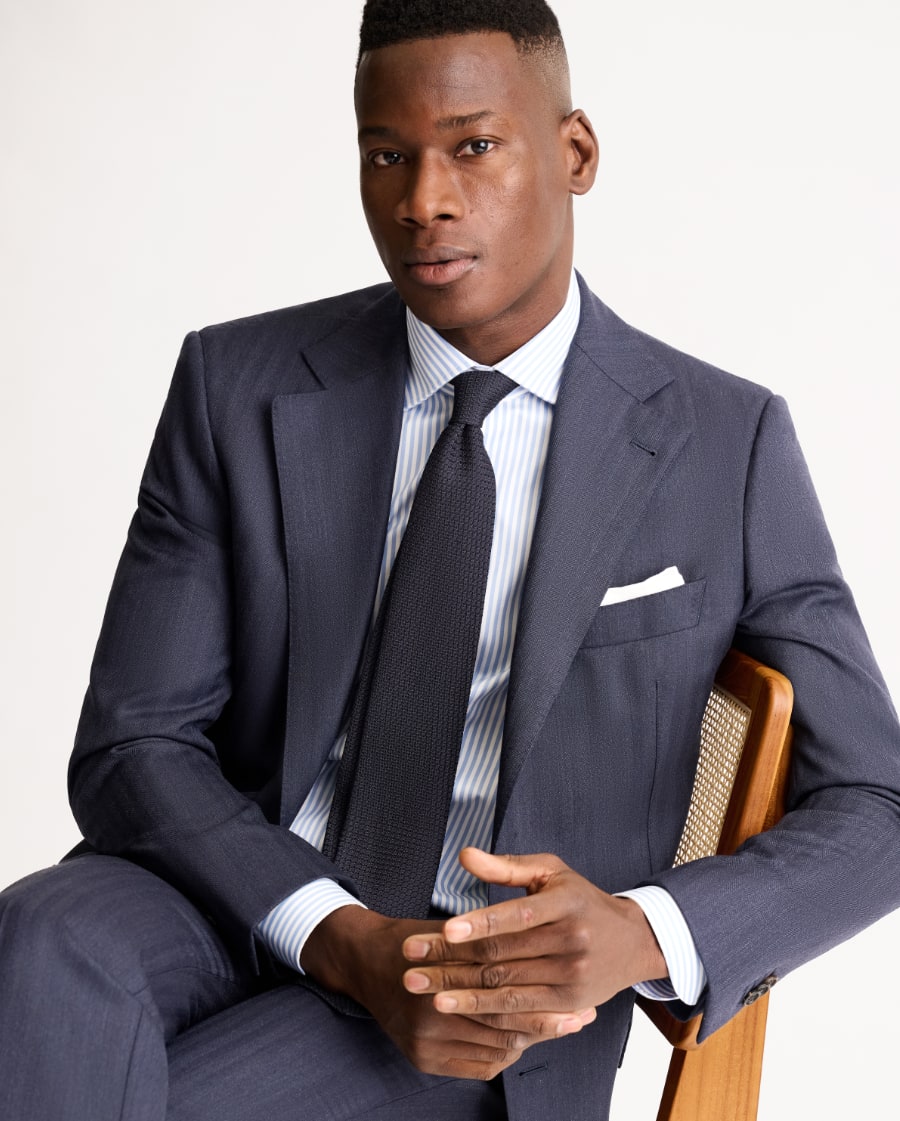
Seasonal Suiting.
Lightweight tailored suiting, made from premium warm-weather-ready fabrics.

Unfiltered Reviews
View All →“I continue to be very pleasantly surprised at the level of customer service Proper Cloth provides - on top of excellent quality shirts.”
1 hour ago from Evanston, IL
“Good”
1 hour ago from Stamford, CT
“Shopping with Proper Cloth is always a pleasure. Their website is very easy to navigate. The plethora of options is amazing.”
1 hour ago from Peekskill, NY
“continues to be positive...”
1 hour ago from Arnold, MD
“Website ordering is not intuitive so I make and appointment with Sonia and she is just great!”
3 hours ago from Bath, ME
“Ordering was a piece of cake”
3 hours ago from Brisbane, QLD
“You could get a dress shirt and have it tailored, but why not buy one made to measure from the comfort of your couch?”
“One of the most successful made-to-measure e-commerce sites there is – attribute that to tasteful fabrics, fast delivery times, and an easy shopping experience”
“Proper Cloth has become a go-to source for made-to-measure shirts for even the most discerning menswear customer.”
“Proper Cloth creates a custom pattern for every customer and lets him choose from a multitude of collars, cuffs, pockets and more”
“There’s just something about wearing a shirt that was made just for you that feels above and beyond even the nicest off-the-rack shirting (in my humble opinion)”
-
 Men's Journal
-
 Esquire
-
 GQ
GQ
-
 The New York Times
-
 Details
Shop Edits




-

For custom-made garments, it doesn’t get much faster than this.
-

If it's not a perfect fit, we’ll alter or remake your first shirt, jacket, or trousers for free — guaranteed.
-

Call, chat, or email for personal assistance from the best in the business.